Loading Climate Change Info...

Exploring Climate Change

Our planet is changing. Let's learn about climate change, its impacts, and what we can do to create a sustainable future for all.

Welcome to Our Climate Change Education Platform

Climate change is one of the most pressing challenges facing our planet today. It affects every living organism, every ecosystem, and every human community across the globe. Understanding climate change is the first step toward taking meaningful action to protect our environment and secure a sustainable future for generations to come.
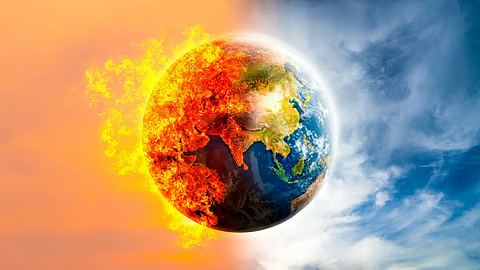
Earth from space showing a thin blue atmosphere

Why This Topic Matters

The Earth's climate has always undergone natural variations over millions of years. However, what we're experiencing now is different. Scientific evidence overwhelmingly shows that human activities, particularly since the Industrial Revolution, have accelerated changes in our climate at an unprecedented rate.

The consequences of these changes are already visible: rising global temperatures, melting ice caps, extreme weather events, rising sea levels, and disrupted ecosystems. These changes don't just affect distant polar bears or coral reefs—they impact our daily lives, our food security, our health, and our economy.

Did You Know? The last decade (2010-2020) was the warmest on record, with global average temperatures rising approximately 1.2°C above pre-industrial levels.

What This Website Will Teach You

This educational platform is designed to provide you with comprehensive, accessible information about climate change. Whether you're a student, educator, concerned citizen, or policy maker, you'll find valuable insights here. Our content is organized into five key sections:

  • Introduction (This Page): An overview of why climate change education matters and what you can expect to learn
  • What is Climate Change: Scientific explanations of climate change, greenhouse gases, and how human activity drives global warming
  • Problems Caused by Climate Change: Detailed examination of the impacts on our environment, societies, and future
  • Solutions & Prevention: Practical actions, innovative technologies, and policy approaches to combat climate change
  • Questions & Interaction: Test your knowledge and engage with the material through interactive elements
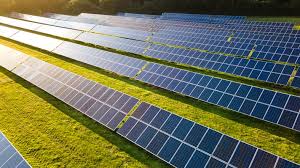
Solar panels in a field representing renewable energy
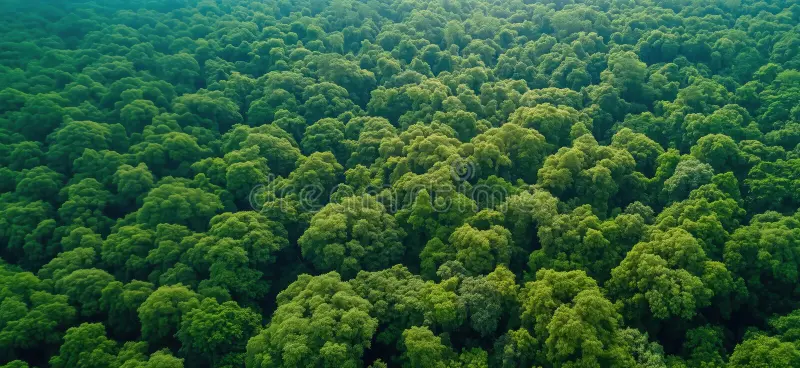
Lush green forest ecosystem
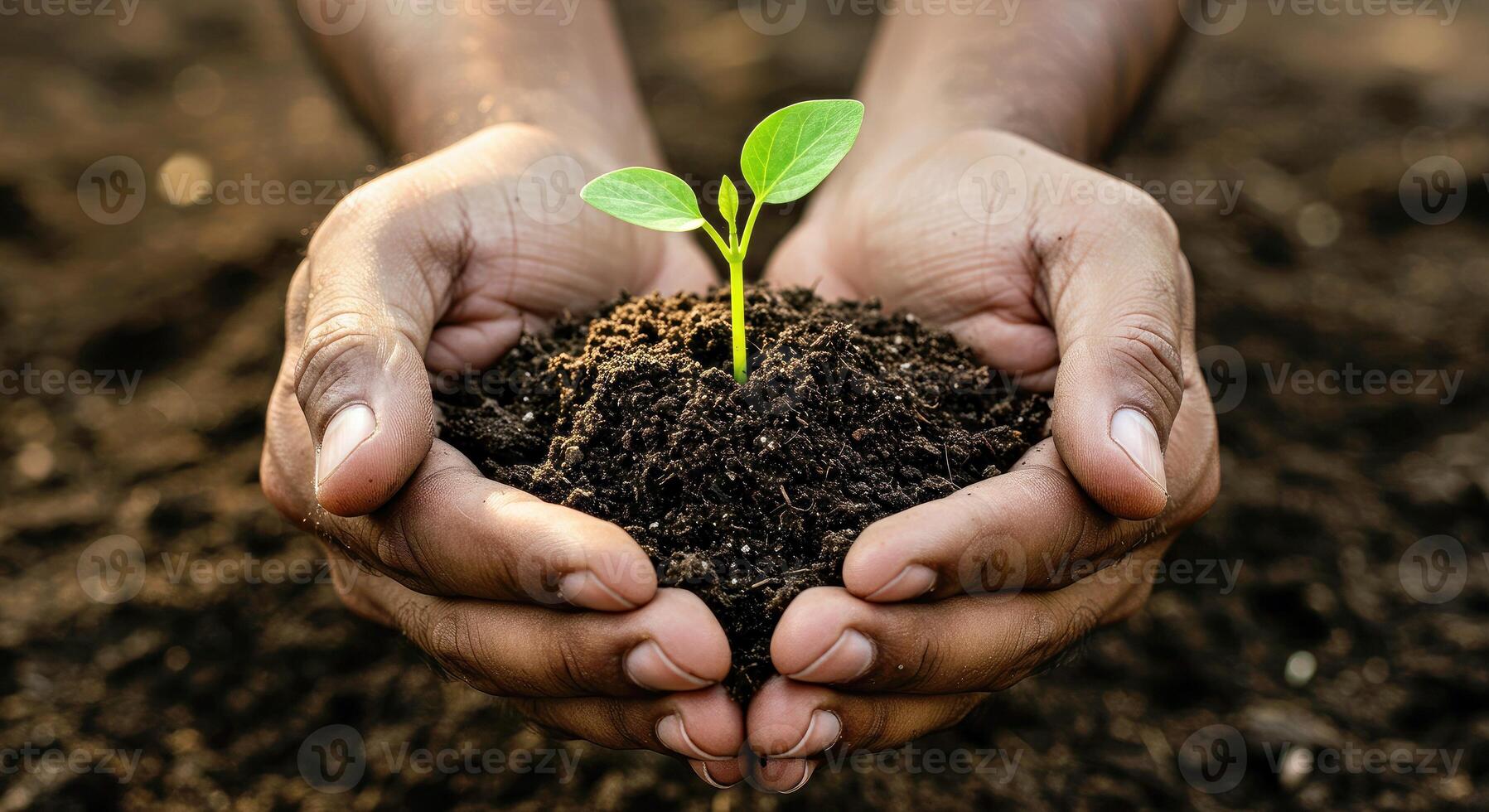
Hands holding a young plant representing tree planting

The Urgency to Act

While the situation is serious, it's important to remember that we still have time to make a difference. Every action counts, from individual lifestyle changes to large-scale policy reforms. The transition to renewable energy, sustainable agriculture, and circular economies is already underway in many parts of the world.

Young people around the globe are leading climate movements, demanding action from governments and corporations. Scientists continue to innovate, developing new technologies for carbon capture, clean energy, and sustainable living. Communities are coming together to build resilience and adapt to changing conditions.

Individual Impact

Climate action begins with individuals making conscious decisions about consumption, transportation, energy use, and advocacy.

Collective power

When communities, businesses, and governments work together, we can create systemic change that addresses climate change at its roots.
Continue to Learn About Climate Change →

What is Climate Change?

Understanding the science behind our changing climate

Defining Climate Change

Climate change refers to long-term shifts in global or regional climate patterns, particularly the rise in average global temperatures primarily caused by increased levels of atmospheric carbon dioxide produced by the use of fossil fuels. While the Earth's climate has changed throughout history, the current warming trend is of particular significance because most of it is extremely likely to be the result of human activity since the mid-20th century.

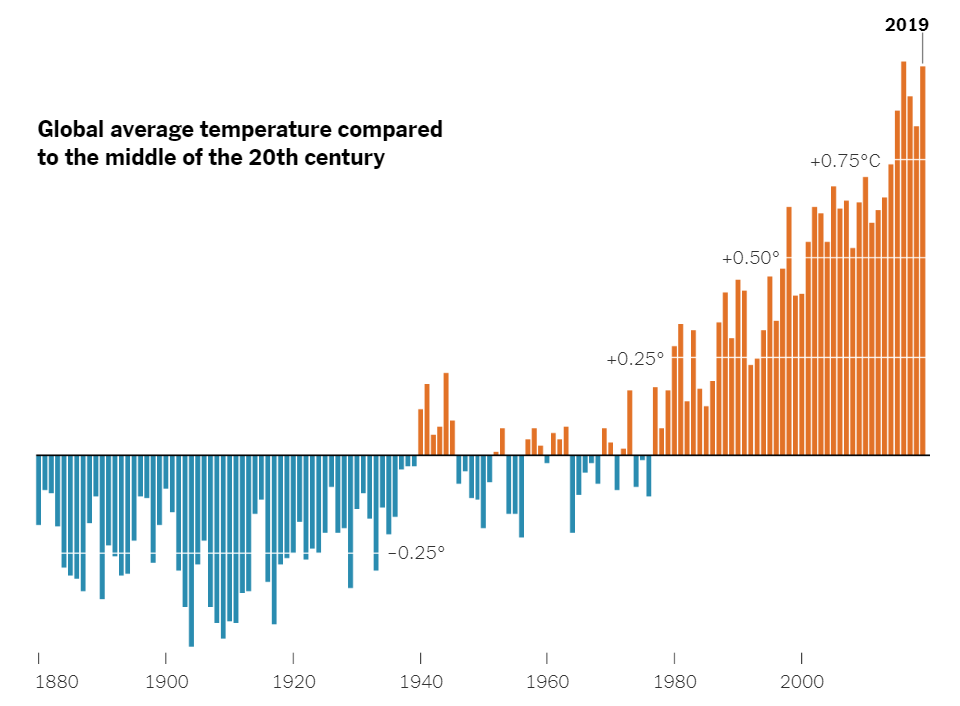
Graph showing temperature rise over decades

The Greenhouse Effets

To understand climate change, we must first understand the greenhouse effect. This is a natural process that warms the Earth's surface. When the Sun's energy reaches the Earth's atmosphere, some of it is reflected back to space and the rest is absorbed and re-radiated by greenhouse gases.

Greenhouse gases include water vapor, carbon dioxide (CO2), methane (CH4), nitrous oxide (N2O), and others. These gases trap heat in the atmosphere, keeping our planet warm enough to sustain life. Without the greenhouse effect, Earth's average temperature would be about -18°C instead of the current 15°C.

The Problem: Human activities have intensified the natural greenhouse effect by increasing the concentration of these gases in the atmosphere, particularly CO2, which has increased by more than 40% since pre-industrial times.

Main Causes of Climate Change

While natural factors like volcanic eruptions and solar variations do affect climate, scientific consensus is clear that human activities are the dominant cause of current climate change. Here are the primary contributors:

  1. Burning Fossil Fuels: Coal, oil, and natural gas combustion for electricity, heat, and transportation releases massive amounts of CO2 into the atmosphere.
  2. Deforestation: Trees absorb CO2, so when forests are cut down for agriculture or development, this carbon sink is lost and stored carbon is released.
  3. Industrial Processes: Manufacturing, cement production, and chemical processes emit various greenhouse gases.
  4. Agriculture: Livestock farming produces methane, and rice cultivation and fertilizer use release both methane and nitrous oxide.
  5. Waste Management: Landfills produce methane as organic waste decomposes, and waste incineration releases CO2.
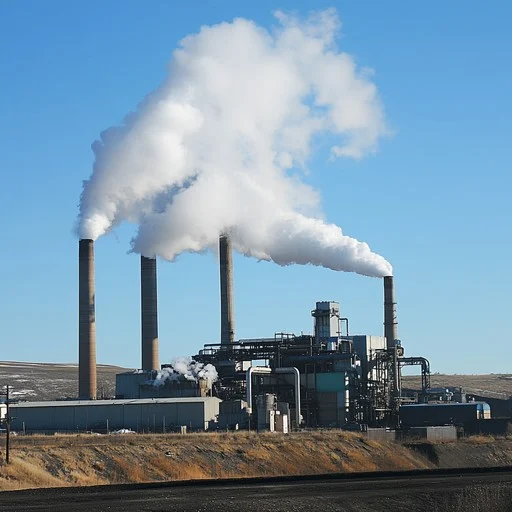
Industrial smokestacks emitting emissions
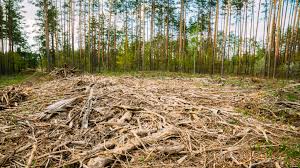
Clearcutting in a forest showing deforestation

Scientific Evidence

The evidence for rapid climate change is compelling and come from multiple independent sources:

  • Global temperature records show warming of approximately 1.2°C since pre-industrial times
  • Ocean heat content has increased significantly, with oceans absorbing more than 90% of the excess heat
  • Arctic sea ice is declining at a rate of 13% per decade
  • Glaciers are retreating worldwide
  • Sea levels have risen about 20cm in the past century and the rate is accelerating
  • Ocean acidification has increased by 30% due to absorption of CO2

Natural vs. Human-Caused

While Earth's climate has changed naturally over millions of years, the current rate of change is 10 times faster than previous natural variations, directly correlating with industrial activity.

Scientific Consensus

97% of actively publishing climate scientists agree that humans are causing global warming and climate change, based on decades of peer-reviewed research.

Explore the Problems → ← Back to Introduction

Problems Caused by Climate Change

Understanding the impacts on our planet and society

Environmental Impacts

Climate change is already causing widespread impacts across every region of our planet. These effects are interconnected and often amplify each other, creating complex challenges for ecosystems and human societies.

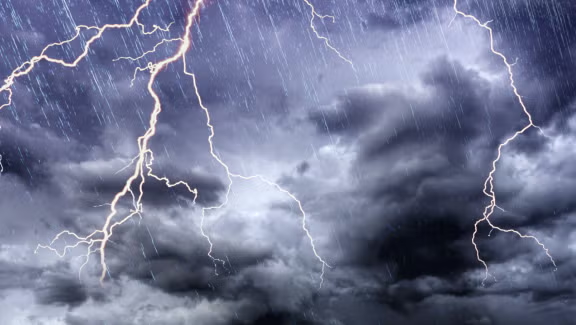
Dramatic storm clouds representing extreme weather events

Rising Global Temperatures

The most direct effect of climate change is the increase in global average temperatures. This warming is not uniform—some regions experience more dramatic changes than others. The Arctic, for instance, is warming at twice the global average rate. These temperature increases have cascading effects throughout the climate system.

Extreme Weather Events

Climate change is increasing the frequency and intensity of extreme weather events:

  • Heatwaves: More frequent, longer-lasting, and more intense heatwaves threaten human health, agriculture, and ecosystems
  • Hurricanes and Cyclones: Warmer ocean temperatures fuel more powerful tropical storms with higher wind speeds and more rainfall
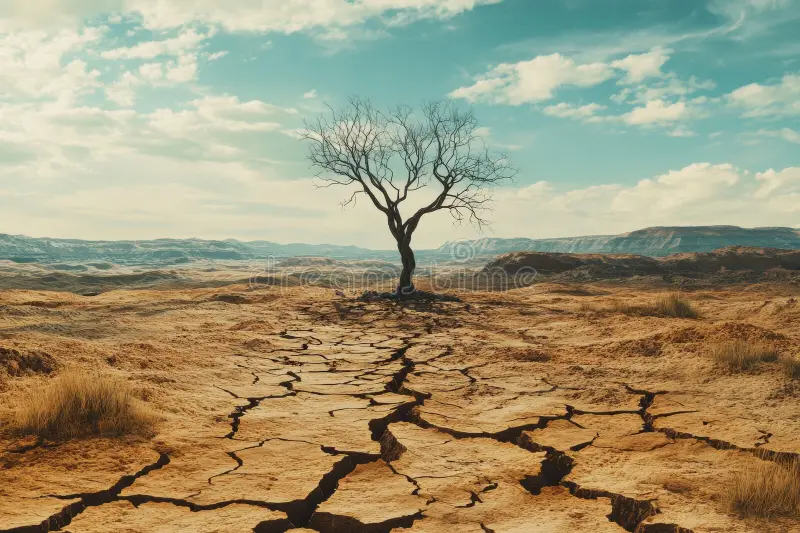
  • Droughts: Changing precipitation patterns are creating longer and more severe droughts in many regions
  • Floods: Intense rainfall events are becoming more common, overwhelming drainage systems and causing devastating floods
  • Wildfires: Hotter, drier conditions are extending fire seasons and increasing wildfire intensity
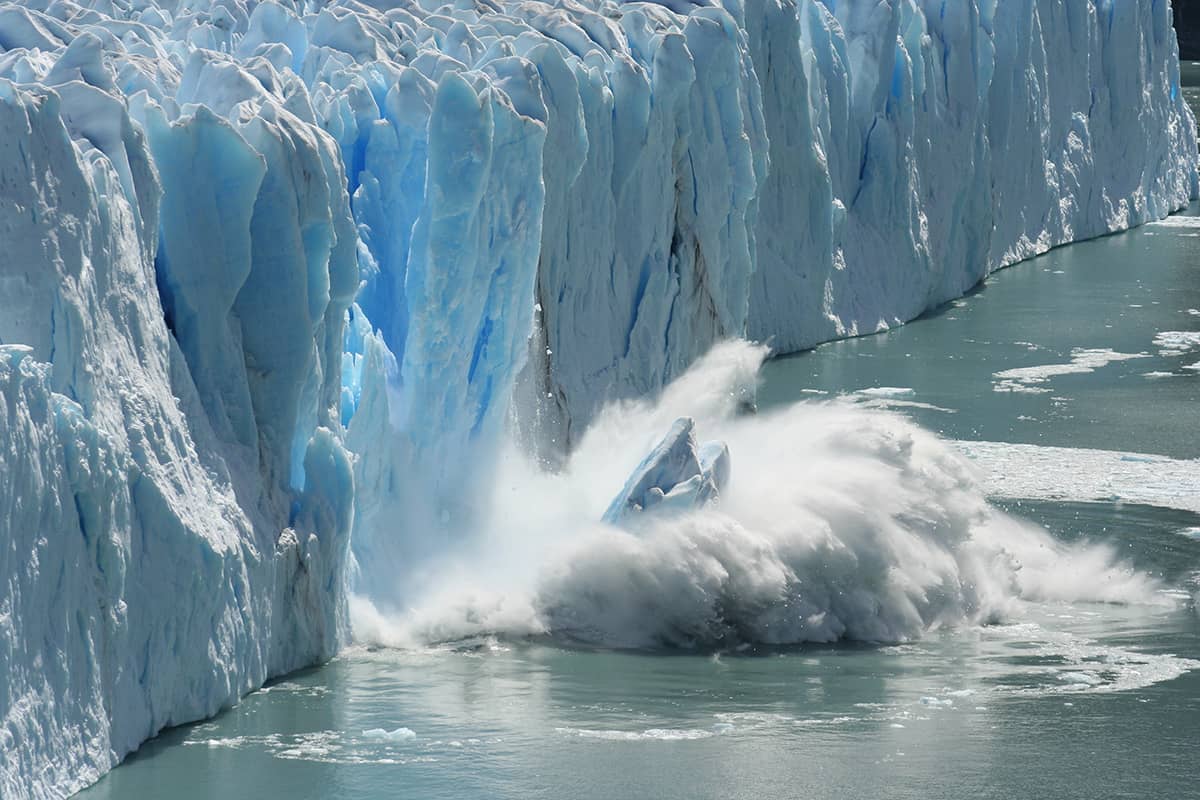
Melting glacier ice
Cracked dry earth representing drought
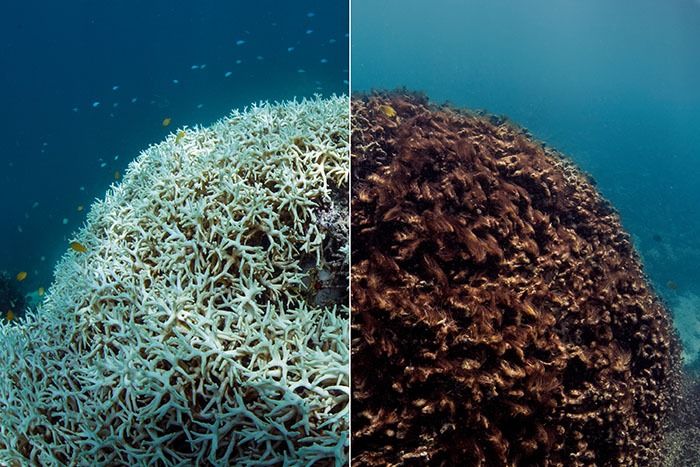
Underwater coral reef

Impact on Biodiversity and Ecosystems

Climate change threatens biodiversity on an unprecedented scale. Species are forced to adapt, migrate, or face extinction as their habitats change faster than they can evolve. Coral reefs are experiencing mass bleaching events. Polar bears are losing their sea ice hunting grounds. Countless plant and animal species are shifting their ranges poleward or to higher altitudes.

Critical Fact: Scientists estimate that one million plant and animal species are threatened with extinction, many within decades, partly due to climate change impacts.

Human Health Impacts

Climate change poses serious risks to human health through multiple pathways:

  1. Heat-Related Illness: Increased temperatures lead to more heat stroke, dehydration, and cardiovascular stress, particularly affecting elderly and vulnerable populations
  2. Air Quality: Higher temperatures worsen air pollution and increase allergen production, exacerbating respiratory diseases like asthma
  3. Disease Spread: Changing temperatures and precipitation patterns expand the range of disease-carrying insects like mosquitoes, spreading malaria, dengue, and other diseases to new areas
  4. Food and Water Security: Droughts, floods, and changing growing seasons threaten crop yields and water supplies, leading to malnutrition and waterborne diseases
  5. Mental Health: Climate anxiety, displacement from extreme events, and loss of livelihoods contribute to stress, depression, and trauma

Economic Consequences

The economic costs of climate change are staggering and growing. Damage from extreme weather events runs into hundreds of billions of dollars annually. Agricultural losses, infrastructure damage, healthcare costs, and decreased labor productivity all impose significant economic burdens.

Direct Costs

Infrastructure damage, crop failures, property loss, and disaster response expenses create immediate economic impacts that strain public and private resources.

Long-Term Impacts

Reduced productivity, displaced populations, loss of tourism revenue, and ecosystem service degradation create ongoing economic challenges.

Social and Political Challenges

Climate change exacerbates existing inequalities and creates new social tensions. Low-income communities and developing nations, which have contributed least to climate change, often suffer its worst impacts. Climate refugees are displaced by sea-level rise, droughts, and extreme weather. Resource scarcity can fuel conflicts over water, food, and land.

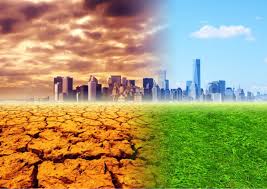
Cityscape showing human habitation impacted by climate

Discover Solutions → ← Back to What is Climate Change

Solutions & Prevention

Taking action to create a sustainable future

How We Can Combat Climate Change

While the challenges posed by climate change are significant, we have the knowledge, technology, and capacity to address them. Solutions exist at every level—from individual actions to global policy changes. The key is implementing these solutions quickly and at scale.

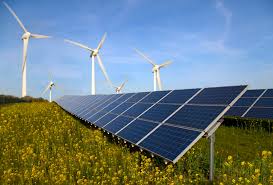
Solar panels and wind turbines generating clean energy

Renewable Energy Transition

Transitioning from fossil fuels to renewable energy sources is the most critical step in reducing greenhouse gas emissions. The good news is that renewable energy is now cost-competitive with fossil fuels in many regions, making this transition both environmentally necessary and economically viable.

  • Solar Power: Photovoltaic technology continues to improve and costs have dropped by more than 90% in the past decade
  • Wind Energy: Both onshore and offshore wind farms are expanding rapidly worldwide
  • Hydroelectric Power: Provides reliable renewable electricity, though must be implemented carefully to minimize environmental impact
  • Geothermal Energy: Harnesses Earth's internal heat for electricity and heating
  • Energy Storage: Battery technology improvements enable better integration of intermittent renewable sources
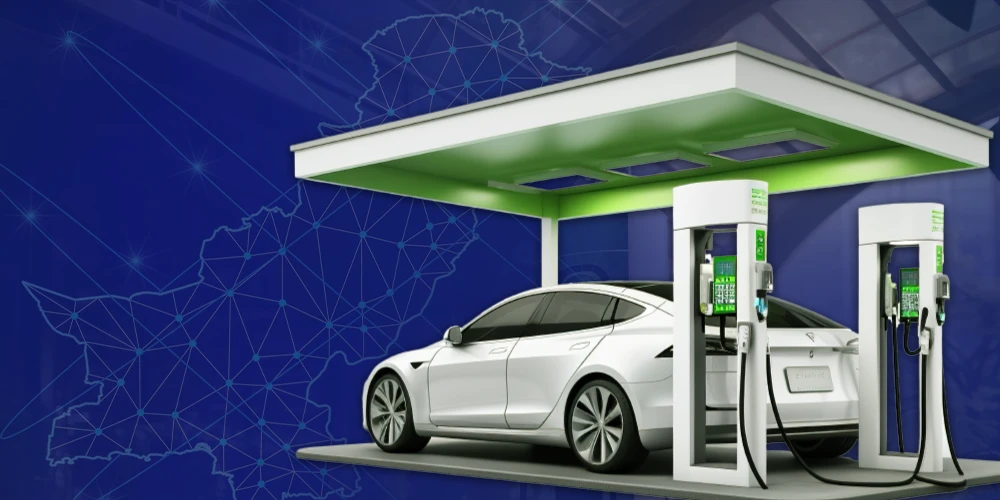
Electric vehicle plugged in at charging station
Modern building with vertical gardens

Sustainable Transportation

Transportation accounts for a significant portion of global emissions. Solutions include:

  1. Electric vehicles (EVs) powered by renewable energy
  2. Improved public transportation systems
  3. Cycling and walking infrastructure
  4. High-speed rail as alternative to short-haul flights
  5. Sustainable aviation fuels and electric aircraft development

Forest Conservation and Restoration

Forests are crucial carbon sinks that absorb CO2 from the atmosphere. Protecting existing forests and planting new ones is essential. Reforestation and afforestation programs can help offset emissions while providing habitat for wildlife and supporting local communities.

Inspiring Initiative: The Trillion Tree Campaign aims to plant one trillion trees globally by 2030, which could sequester approximately 200 gigatons of carbon.

Sustainable Agriculture and Food Systems

Transforming how we produce and consume food can significantly reduce emissions:

  • Regenerative agriculture practices that rebuild soil health
  • Reduced meat consumption and shift toward plant-based diets
  • Minimizing food waste throughout the supply chain
  • Local and seasonal food consumption
  • Precision agriculture using technology to optimize resource use

Individual Actions That Make a Difference

Every person can contribute to climate solutions through daily choices:

At Home

  • Improve home
  • Use energy-efficient appliances
  • Install solar panels if possible
  • Reduce, reuse, recycle
  • Conserve water

Lifestyle Choices

  • Eat less meat and dairy
  • Buy local and seasonal
  • Use public transport or bike
  • Reduce air travel
  • Support green businesses

Policy and Systemic Change

Individual actions are important, but systemic change requires policy interventions. Governments must implement carbon pricing, renewable energy mandates, emissions regulations, and green infrastructure investments. International cooperation through agreements like the Paris Climate Accord is essential for coordinated global action.

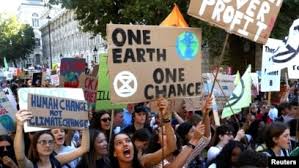
Crowd of people marching for climate action

Innovation and Technology

Emerging technologies offer promising solutions: carbon capture and storage, green hydrogen, advanced nuclear power, sustainable materials, and artificial intelligence for optimizing energy systems. Continued investment in research and development is crucial for breakthrough innovations.

Test Your Knowledge → ← Back to Problems

Questions & Feedback

Test your knowledge and share your thoughts

Climate Change Knowledge Quiz

Answer these questions to test your understanding of climate change. (Note: This is a static form for demonstration purposes)

Share Your Feedback

We'd love to hear your thoughts about this educational website!

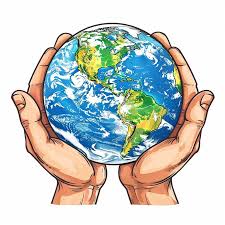
Illustration of hands holding the earth

← Back to Start

Take Action Today!

Knowledge is the first step, but action creates change. Here are some immediate steps you can take:

🌱 Start Small

Reduce your energy use, start composting, or switch to reusable products. Small changes add up!

📢 Spread Awareness

Share what you've learned with friends and family. Education multiplies impact.

Remember: The best time to act on climate change was 20 years ago. The second best time is now. Every action matters!